The MPWPCL model adapts industrial poultry to a small woman farmer in a remote village — organising women into collectives, creating systems for industry-competitive production and scale efficiencies, while giving her the dignity and control of an owner.
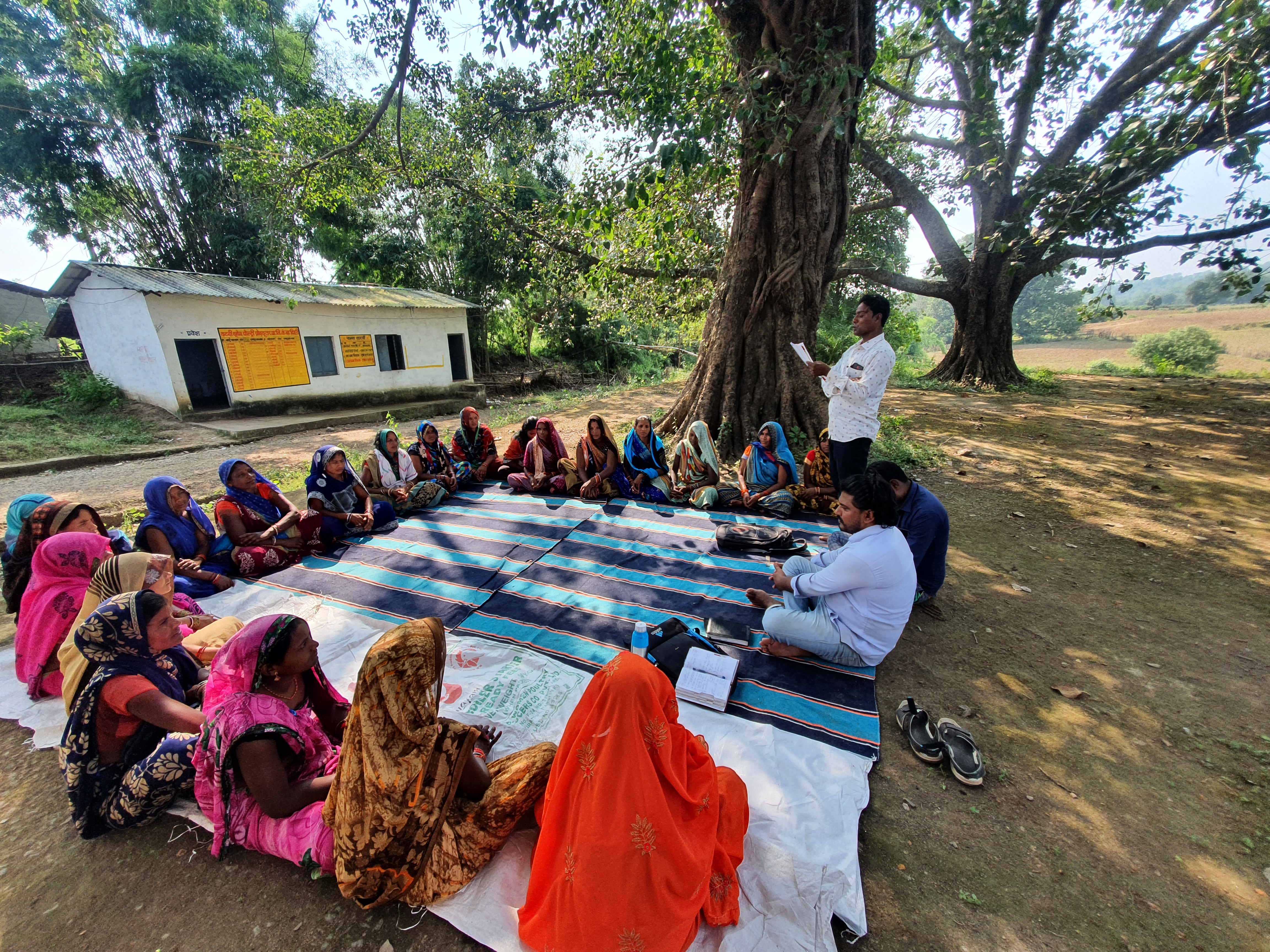
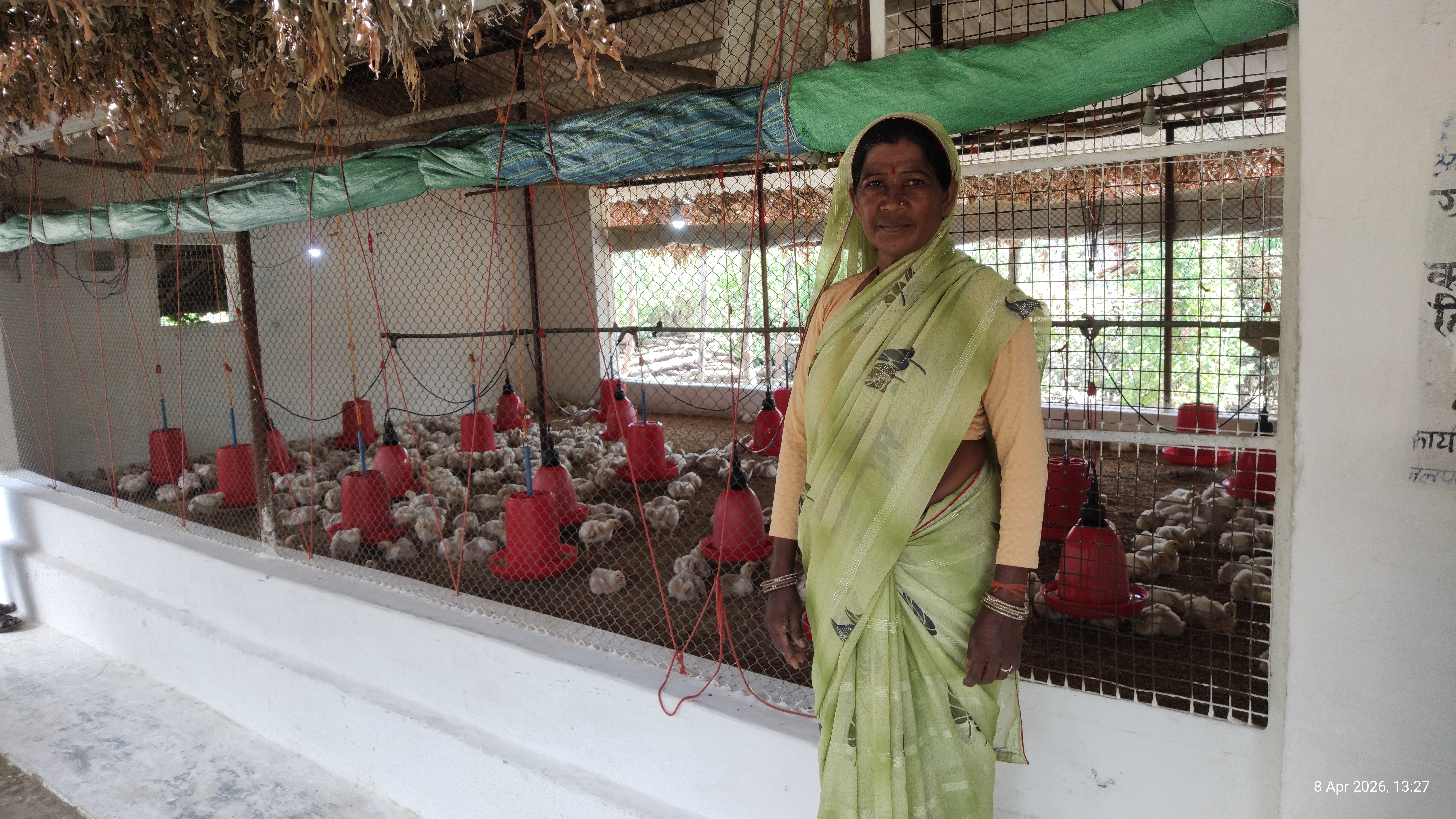
The MPWPCL model adapts industrial poultry to a small woman farmer in a remote village. It does this by organising women into collectives, creating systems and processes for them to attain industry-competitive production and scale efficiencies. The enterprise gives the woman farmer an income for her labour while giving her the dignity and control of an owner.
The model works on three fronts: the organisation of production, access to input-output markets and financial systems. Women from poor families are organised into cooperatives with each woman rearing broilers in modern poultry farms built in her backyard. A mature cooperative typically has 300–500 members with 25–30 farmers in a village. High quality production services are built around a community-based supervisor, who provides round-the-clock production management and farm-support, and trained veterinarians.
Remuneration is structured to optimise production efficiency and insulate farmers from price fluctuations and supply uncertainties of the market. The cooperative engages a professional manager trained in veterinary or management sciences as its chief functionary responsible for day-to-day management and operational business decisions. A Poultry Management System based on the Quality Assurance Systems approach provides a detailed systems and procedure template for business decisions and helps in compliance and monitoring.
Cooperatives across a state or region form a federation. This enables members to attain economies of scale in procuring inputs, improved compliance and access to professional and technical support, while providing a platform for sharing knowledge and process among member cooperatives and building solidarity. The federation ensures that cooperatives remain competitive, adapting and responding to techno-commercial changes in the industry.
MPWPCL's success rests on three interconnected pillars that work in concert to create a sustainable, equitable ecosystem for women farmers.
Women are organised into cooperatives — each member rears broilers in a modern farm built in her own backyard. A community-based supervisor provides 24/7 support alongside trained veterinarians to ensure quality production at every farm.
The federation unlocks bulk procurement efficiencies — better inputs, stable outputs. Farmers are insulated from price fluctuations through structured remuneration models that reward production efficiency and quality.
A Poultry Management System based on Quality Assurance Systems provides detailed procedures for business decisions, compliance, and monitoring — ensuring long-term financial viability and transparency for every cooperative member.
From individual farmers to a powerful federation — the journey is structured, supported, and built to scale.
Women from poor families in a village are enrolled. Each member builds a modern broiler farm in her backyard — giving her ownership of a productive asset and a steady livelihood that she controls.
A supervisor embedded in the community provides round-the-clock farm support. Trained veterinarians ensure flock health, production quality standards, and ongoing compliance with the cooperative's quality systems.
Each cooperative is led by a professional manager — trained in veterinary or management sciences — responsible for day-to-day operations and business decisions, all guided by the Poultry Management System framework.
Cooperatives across a state form a federation — unlocking bulk procurement, technical expertise, knowledge sharing, and resilience against market shifts. The federation keeps every member cooperative competitive in the industry.
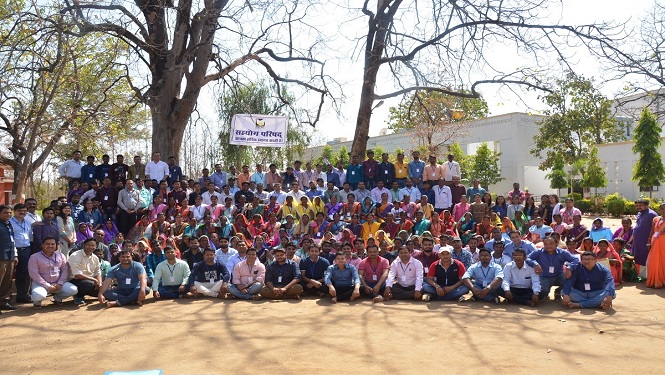
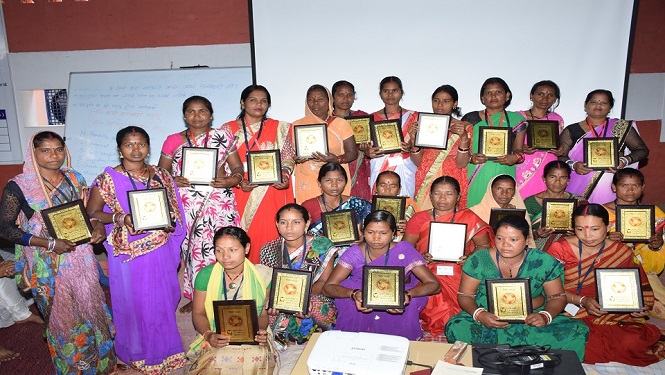
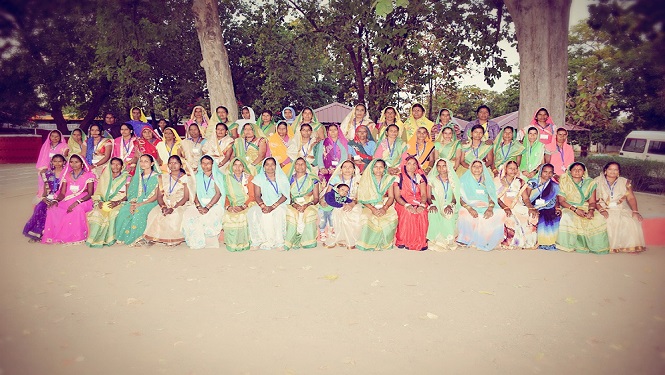
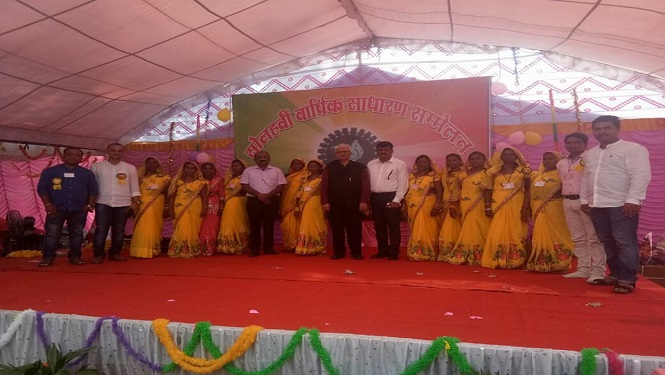
MPWPCL is creating measurable change for rural women across Madhya Pradesh — building livelihoods, assets, and autonomy at scale.